
Age-Related Hearing Loss: When Is It Time to See a Specialist?
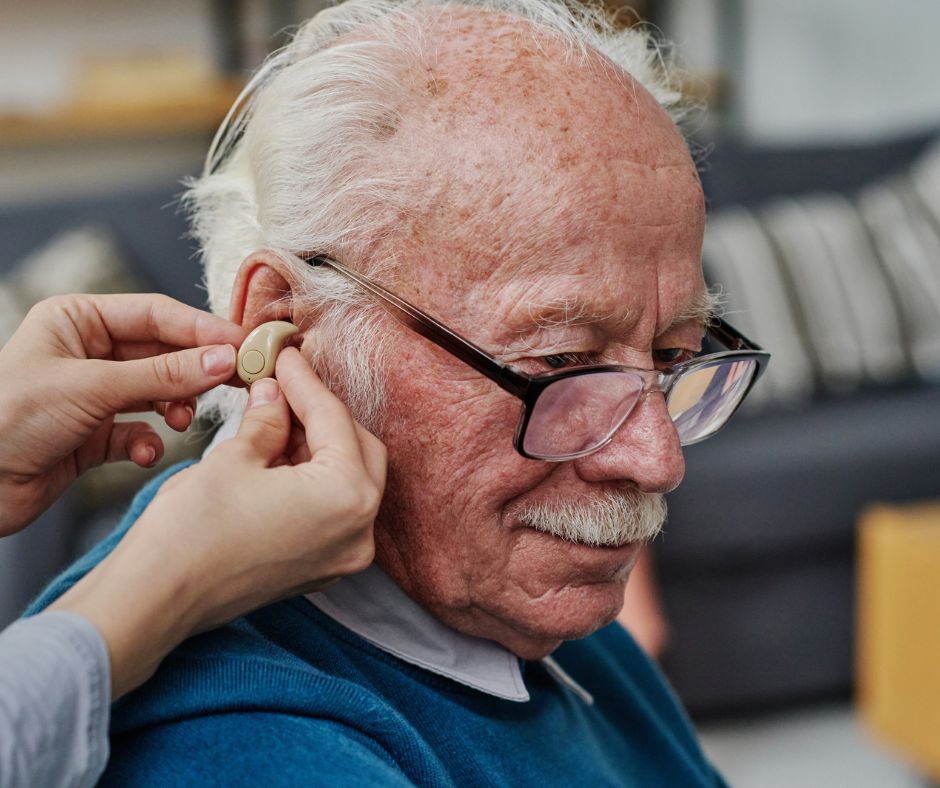
Hearing often changes gradually as we get older. Because age-related hearing loss can develop slowly, it is not always obvious when it starts. You may still be able to hear someone speaking but find yourself struggling to understand exactly what they are saying, particularly in conversations or noisy environments.
It can be tempting to accept these changes as a normal part of ageing. However, hearing loss can affect much more than your ability to hear. It can make communication more difficult, affect confidence and social interaction, and increase the effort required for everyday listening.
Recognising the signs and seeking help early can make a significant difference.
What Is Age-Related Hearing Loss?
Age-related hearing loss is a gradual decline in hearing that develops as we get older. It usually affects both ears and often makes speech less clear, particularly when there is background noise. Because the change can be gradual, people may adapt without realising how much their hearing has deteriorated. Family members or friends may sometimes notice the problem first.
Signs Your Hearing May Be Changing
Hearing loss does not necessarily mean that everything suddenly becomes quieter. Instead, you may begin to notice that speech is becoming less clear.
You might find yourself asking people to repeat themselves, turning the television up, or having difficulty understanding conversations. You may need to concentrate harder on what people are saying or feel increasingly tired after social situations because listening requires more effort. Following discussions in busy restaurants, family gatherings or other noisy environments may become particularly difficult.
Some people begin to withdraw from conversations or social activities because they are worried about misunderstanding what has been said.
These changes can be easy to dismiss, but hearing difficulties that begin to interfere with everyday communication are worth investigating.
Why Early Assessment Matters
Many people wait until their hearing has deteriorated significantly before seeking help. However, there can be advantages to addressing hearing loss earlier.
When hearing becomes more difficult, the brain has to work harder to interpret a quieter or less clear sound signal. Over time, hearing loss may also contribute to people becoming less socially engaged because conversations become tiring or frustrating.
Research in Singapore involving Dr Rebecca Heywood, ENT specialist, and cochlear implant surgeon at The ENT Clinic, has also found an association between hearing loss in older adults and cognitive impairment and dementia. International research has also identified hearing loss as an important potentially modifiable risk factor associated with dementia.This does not mean that hearing loss directly causes dementia, or that everyone with hearing loss will develop cognitive impairment. However, growing evidence suggests that treating hearing loss may have benefits beyond hearing itself, particularly in older adults at increased risk of cognitive decline.
For these reasons, looking after your hearing should be considered an important part of healthy ageing rather than hearing loss being something we simply accept as we get older.
As Dr Heywood explains, “The effects of treating hearing loss are life-changing. In fact, they can be brain-changing.”
When Is It Time to See a Hearing Specialist?
You do not need to wait until hearing loss becomes severe before seeking advice.
If you can hear people talking but frequently struggle to understand what they are saying, particularly in background noise, this is a good time to have your hearing assessed.
As Dr Heywood advises, “It is best to consider hearing aids when you can still hear people talking but are beginning to struggle to clearly catch what they are saying.”
Getting hearing aids earlier can also make the adjustment easier. Rather than waiting until communication has become very difficult, people have the opportunity to gradually become accustomed to hearing sounds clearly again and to using their hearing aids as part of everyday life.
An ear and hearing specialist can assess type and severity of your hearing loss, look for an underlying cause and discuss whether treatment or hearing rehabilitation may help.
It is also important not to assume that all hearing loss in later life is simply due to ageing. Some causes of hearing loss are medically or surgically treatable.
Hearing loss that develops suddenly, affects one ear significantly more than the other, or is accompanied by persistent one-sided tinnitus, dizziness, ear discharge or pain should be medically assessed.
What Are the Treatment Options?
Treatment depends on the type and severity of hearing loss and the individual’s needs.
Many people with age-related hearing loss can benefit from hearing aids. These devices can make sounds and speech clearer, helping people communicate more easily and stay engaged in everyday activities.
For people with more severe hearing loss who do not receive sufficient benefit from appropriately fitted hearing aids, a cochlear implant may sometimes be considered.
The most appropriate option will depend on your hearing assessment, lifestyle, communication needs and individual circumstances.
Hearing Health Is Part of Healthy Ageing
Hearing loss can affect communication, relationships, confidence and quality of life. Although age-related hearing loss is common, that does not mean that nothing can be done about it.
Recognising changes early and having your hearing properly assessed can help you understand what is happening and what options are available.
If you or a family member has noticed progressive hearing loss, difficulty understanding conversations or other changes in hearing, consider booking an assessment with Dr Rebecca Heywood or one of the ENT specialists at The ENT Clinic.
Share this blog via:

