
How to Prevent Ear Infections in Children During Swimming Season

School holidays often mean more time spent swimming, whether at the pool, beach, or during family trips overseas. While swimming is a great way for children to stay active, increased water exposure can also raise the risk of ear infections, especially in Singapore’s hot and humid climate.
“Swimmer’s ear is something we commonly see during holiday periods when children are spending more time in the water,” says Dr Rebecca Heywood, ENT specialist and cochlear implant surgeon at The ENT Clinic. “Most cases are manageable, but it’s important to recognise symptoms early and avoid making the irritation worse.”
What Is Swimmer’s Ear?
One of the most common ear infections associated with swimming is otitis externa, more commonly known as swimmer’s ear. This is an infection or inflammation of the outer ear canal, often caused by moisture becoming trapped inside the ear after swimming.
The ear canal is lined with delicate skin, and constant moisture can disrupt its natural protective barrier. This creates the perfect environment for bacteria or fungi to grow.
Children with swimmer’s ear may complain of itching, ear pain, blocked ears, or discomfort when touching the outside of the ear. Some may also develop ear discharge or temporary hearing reduction.
In Singapore’s warm and humid weather, these ear infections can develop more easily, especially if children are swimming frequently during the school holidays.
Why Children Are More Prone to Ear Infections

Middle ear infections are among the most common ear infections in children. Unlike swimmer’s ear, a middle ear infection usually develops after a cold, flu, or episode of nasal allergies.
“The Eustachian tube, which connects the middle ear to the back of the nose, is shorter and narrower in children,” explains Dr Heywood. “This makes it easier for fluid to build up behind the eardrum, particularly when children are unwell or congested.”
When fluid becomes trapped, bacteria or viruses can grow, leading to a painful middle ear infection. Young children may become irritable, develop fevers, tug at their ears, or wake suddenly at night crying in pain.
Avoid Cotton Buds After Swimming
Many parents instinctively reach for cotton buds to dry or clean their child’s ears after swimming, but ENT specialists strongly advise against this.
“People often think they are cleaning the ear, but cotton buds usually push wax further in and can scratch the delicate skin inside the ear canal,” says Dr Heywood. “This actually increases the risk of infection.”
Small scratches inside the ear canal can allow bacteria or fungi to enter the skin more easily, particularly in children who swim regularly.
The ear is also self-cleaning, meaning it naturally moves wax and dead skin outward without needing manual cleaning.
Tips to Help Prevent Ear Infections During Swimming Season
Simple preventive measures can help reduce the risk of ear infections during the holidays.
After swimming, children should gently dry the outer ear with a towel and avoid leaving moisture trapped inside the ear canal. Tilting the head to each side may help excess water drain naturally.
Children who are prone to itchy or dry ears may benefit from discussing preventive ear care with their doctor before long periods of swimming.
It is also important to avoid inserting objects into the ears, including cotton buds, hairpins, or fingers, as these can irritate the skin and increase infection risk.
Parents should also pay attention to persistent nasal allergies or congestion, as untreated allergies may contribute to middle ear problems in some children.
When Should Parents Seek Treatment for an Ear Infection?
While mild irritation may improve on its own, persistent symptoms should be checked by a doctor.
“If a child has significant pain, fever, ear discharge, or symptoms lasting more than a couple of days, it’s best to have the ear examined,” says Dr Heywood.
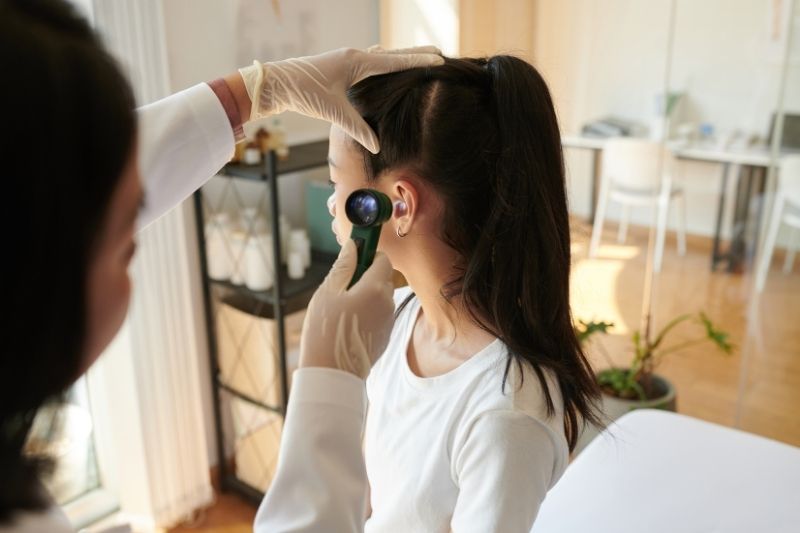
Repeated ear infections, hearing changes, balance problems, or ear discharge without pain should also be assessed, as these may occasionally point to more serious underlying conditions.
Treatment for an ear infection depends on the cause and may include medicated ear drops, cleaning of the ear canal, or management of underlying nasal allergies or congestion.
Dr Rebecca Heywood is an ENT specialist at The ENT Clinic.
Share this blog via:

