
Deviated Septum – How To Find Relief
Getting the right diagnosis
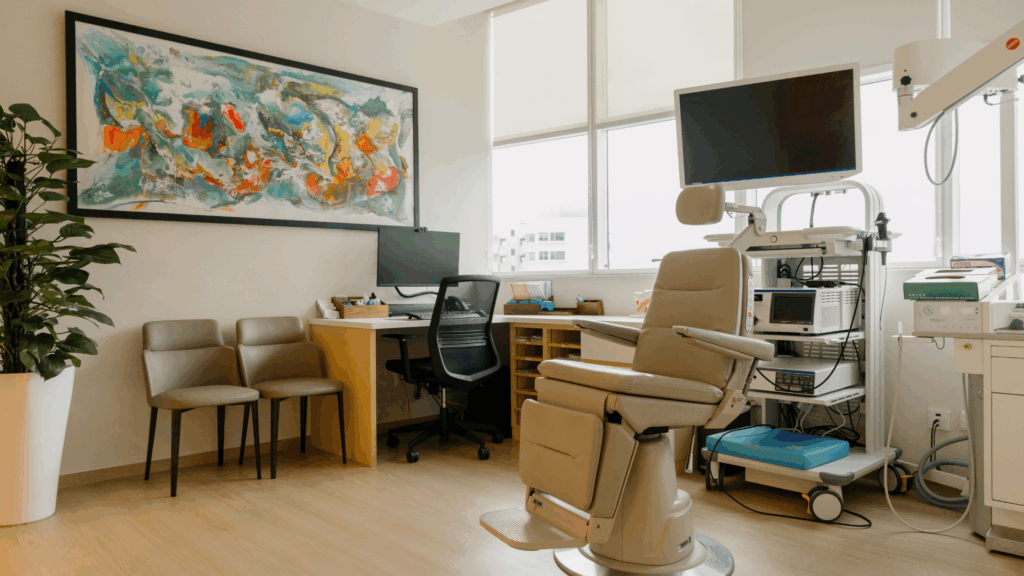
If you suspect your breathing problems might be structural, an ENT evaluation is the best next step. Diagnosis usually starts with a careful history and a physical examination using a nasal speculum or endoscope to inspect the deviated septum and nasal passages. This allows the specialist to see precisely where the septum is deviated and how much it is narrowing the airway.
Sometimes, imaging such as a CT scan is recommended, particularly if there are recurrent sinus infections or concern about sinus disease. These images help confirm the degree of deviation and highlight any related sinus issues. Once the diagnosis is clear, your specialist can explain the findings and suggest the most suitable treatment approach
Treatment options for deviated septum
For mild cases, treatment may focus on improving the lining of the nose rather than the structure itself. Nasal sprays, antihistamines or saline rinses can help to manage inflammation and congestion, especially when allergies are also present. While these measures don’t correct the deviation, they can make breathing more comfortable and reduce sinus symptoms.
When the deviation significantly affects airflow or sleep, surgery, usually septoplasty or, in some cases, septorhinoplasty, is often recommended. Septoplasty involves repositioning and reshaping the septum to restore a clearer nasal passage. It is typically performed under general anaesthesia, with most patients returning home the next day.
Dr Sandeep Uppal describes septoplasty as generally well tolerated. Most people do not experience severe pain, but the nose may feel blocked for a week or two due to internal swelling and increased nasal secretions. During follow-up visits, the surgeon will clean the nose and prescribe nasal rinses to help keep the passages clear. Many patients begin to notice an improvement in nasal breathing after about three to four weeks, once swelling has settled, and those with very severe deviation may feel some benefit even earlier.
In more complex cases, for example where there is significant external crookedness or concern about nasal aesthetics, septorhinoplasty may be offered. This is a more involved procedure that addresses both internal structure and the outer shape of the nose. In some situations, septoplasty is combined with other procedures, such as turbinate reduction, to further improve airflow.
Supporting recovery and long-term nasal health
Post-operative care plays an important role in healing. Dr Uppal advises patients to avoid alcohol and smoking after surgery, as these can delay healing and increase swelling. Sleeping with the head elevated helps reduce congestion, and heavy exercise is usually avoided for at least three weeks to lower the risk of bleeding. Contact sports are typically postponed for about six weeks. Regular nasal rinses and good allergy control, where relevant, can also support recovery and protect long-term nasal health.
Of course, not everyone with a deviated septum requires surgery. Avoiding nasal trauma, treating allergies promptly and maintaining good nasal hygiene can all help prevent worsening of symptoms. If you’re struggling with ongoing congestion, facial pressure or difficulty sleeping, it is worth discussing the possibility of a deviated septum with an ENT specialist. Early diagnosis can make treatment simpler and outcomes better.
Finding relief for a deviated septum
Living with chronic nasal obstruction can be exhausting, but it doesn’t have to be permanent. With the right evaluation and a tailored treatment plan, many people experience a significant improvement in breathing, sleep and day-to-day comfort.
If you’re ready to find out what’s behind your nasal symptoms, contact us to arrange a consultation with one of our ENT specialists.
Share this blog via:

