
Understanding Nosebleeds: Causes, Prevention, and When to See an ENT
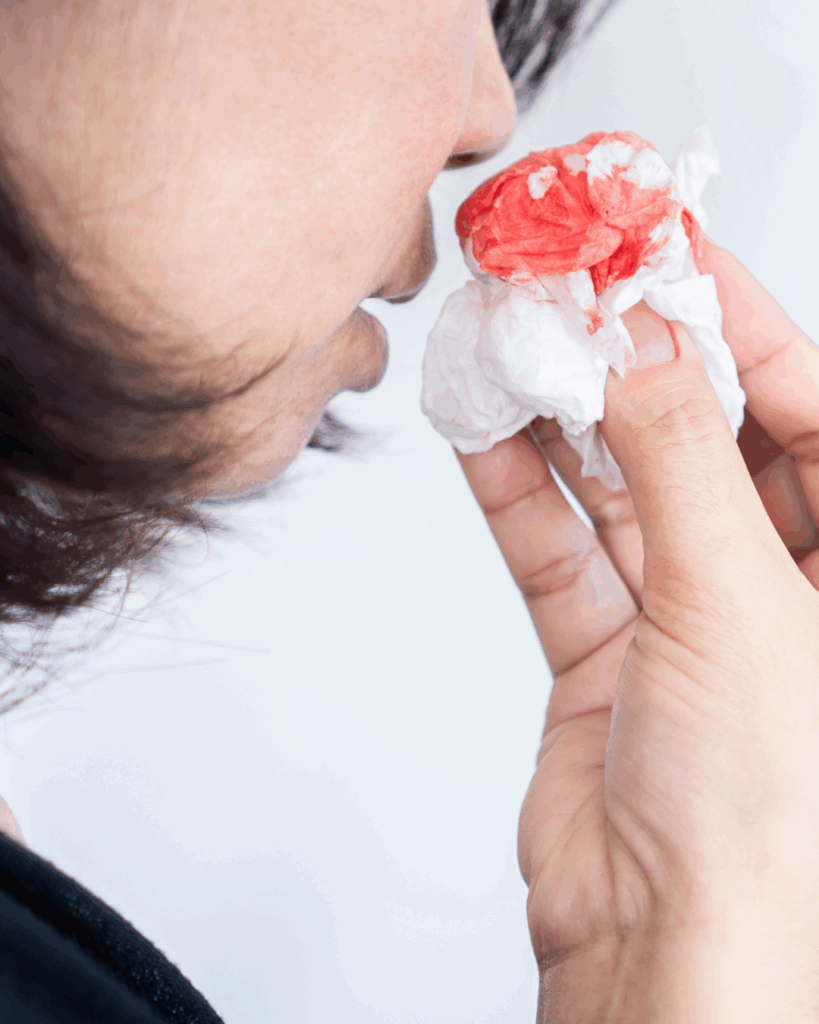
Nosebleeds, or epistaxis, happen when the small blood vessels inside the nose rupture. They’re common, usually not serious, but can be unsettling -especially when they seem frequent or hard to stop. While most are harmless and easy to treat at home, some may signal underlying health issues that need medical attention.
In this post, we break down the common causes, when to seek help, and what treatments are available.
Common Causes of Nosebleeds
In Singapore, the most frequent causes include:
Dry nasal passages, especially from prolonged air-conditioning.
Allergies and nasal infections, which inflame or irritate the nose.
Nose picking or frequent nose-blowing, often during colds or flu.
Trauma, such as a knock to the nose or sneezing too forcefully.
Medications, like blood thinners (aspirin, warfarin) or nasal sprays used too frequently.
Underlying conditions, like hypertension or blood clotting issues.
“Many patients are surprised to learn how common nosebleeds are in air-conditioned environments like Singapore,” says Dr Sandeep Uppal, ENT specialist. “The constant exposure to dry air can easily irritate the nasal lining.”
Types of Nosebleeds
Nosebleeds are typically classified into two types: anterior and posterior. Anterior nosebleeds are the most common and occur at the front of the nose, usually stemming from small, fragile blood vessels near the nasal septum. These are generally mild and can often be managed at home with basic first aid. Posterior nosebleeds, on the other hand, originate deeper within the nasal cavity and tend to be more serious. They are more common in older adults or individuals with high blood pressure and often require medical attention due to the involvement of larger blood vessels and a higher risk of significant bleeding.
First Aid: What to Do When You Have a Nosebleed
- Sit upright and lean forward slightly (don’t tilt your head back)
- Pinch the soft part of your nose (just above the nostrils) for 10–15 minutes
- Breathe through your mouth and remain calm
- Apply a cold compress to the bridge of your nose or cheeks
- Avoid blowing your nose for at least 12–24 hours after the bleeding stops
How to Prevent Nosebleeds
Keep your nasal passages moist using saline sprays or nasal gels.
Avoid picking or blowing your nose too hard.
Stay hydrated and avoid smoke or strong air-conditioning for long periods.
Use a humidifier at home to maintain moisture in the air.
When Should You See an ENT Specialist?
Seek medical advice if:
- The bleeding doesn’t stop after 20 minutes
- You experience frequent nosebleeds (more than once a week)
- You are on blood-thinning medication
- Bleeding occurs after a head injury
- You have other symptoms like dizziness, fainting, or bleeding from both nostrils
Treatments Available at The ENT Clinic
At The ENT Clinic, our specialists offer:
- Silver-nitrate cautery or radiofrequency ablation to seal ruptured blood vessels—quick and well tolerated
- Nasal packing or electrocautery for more persistent bleeds
- Nasal endoscopy to check for underlying causes like polyps, tumours, or structural issues
“Our goal is always to treat the cause, not just the symptom,” explains Dr Sandeep “With tools like nasal endoscopy and minimally invasive cautery, we can provide safe, effective relief tailored to each patient.”
Conclusion
Most nosebleeds are minor and manageable at home—but if they’re persistent, recurrent, or accompanied by other symptoms, it’s important to get checked by an ENT specialist. Treatments at The ENT Clinic are effective, minimally invasive, and tailored to each patient’s needs.
Concerned about frequent nosebleeds? Book an appointment to speak with one of our specialists.
Share this blog via:

